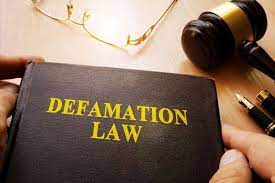
Defamation, the law of torts, and related practices in Pakistan:
1-Defamation:
Defamation in Pakistan is governed by both civil and criminal law. It occurs when a person makes a false statement about another person that harms their reputation. There are two types of defamation:
Libel:
Defamatory statements that are made in a permanent form, such as writing, printing, or a picture.
Slander:
Defamatory statements that are spoken or temporary in nature.
To prove defamation in Pakistan, the following elements must be established:
- The statement was false.
- The statement was published or communicated to a third party.
- The statement caused harm to the reputation of the person.
- In cases involving public figures, it must be proved that the statement was made with actual malice or reckless disregard for the truth.
Defamation is punishable under the Pakistan Penal Code as a criminal offense, with imprisonment and/or a fine as potential penalties. It can also be the basis for a civil lawsuit, where the defamed person can seek damages.
2-Law of Tort:
The law of tort in Pakistan covers a wide range of civil wrongs, including:
Negligence:
Negligence occurs when someone fails to exercise reasonable care, resulting in harm to another person. To establish negligence, the following elements must be proved: duty of care, breach of that duty, causation, and damages.
Nuisance:
Nuisance involves interference with a person's use or enjoyment of their property. There are two types of nuisance: private nuisance (affecting an individual) and public nuisance (affecting the public).
Trespass:
Trespass occurs when someone unlawfully enters another person's property. It can also include causing physical damage to another person's property.
Strict Liability:
In some cases, individuals can be held liable for harm caused by their actions regardless of intent or negligence. This is known as strict liability. For example, the owner of a dangerous animal may be held strictly liable for any harm caused by the animal.
Legal Remedies:
In cases of defamation and other torts, the law provides for various legal remedies, including:
Compensation (Damages):
The court may award monetary compensation to the victim to compensate for the harm suffered.
Injunctions:
The court may issue an injunction, which is a court order directing a person to do or refrain from doing a certain act. In defamation cases, an injunction may be sought to stop the publication of defamatory material.
Defenses:
There are several defenses available in defamation and tort cases in Pakistan, including:
Truth:
If the statement is true, it is a complete defense against a defamation claim.
Fair Comment:
If the statement is an expression of opinion rather than a statement of fact, and it is based on true facts, it may be protected as fair comment.
Absolute Privilege:
Certain statements are protected by absolute privilege, such as statements made in parliament or in court proceedings.
Qualified Privilege:
Statements made in certain circumstances, such as in the public interest or in the performance of a duty, may be protected by qualified privilege.
Understanding these laws and practices is crucial for individuals and businesses to protect their rights and avoid legal liabilities in Pakistan. It is advisable to seek legal advice from a qualified lawyer for specific legal matters.
- Defamation, the law of torts,
- Administrator